August Notes from the Potting Shed
with Gardening Expert Chris Milborne
This summer, the weather has been challenging, to say the least. Everything has grown, but with the sunshine, heat, dry conditions and drying winds, flowers have not lasted as long. Regular deadheading, particularly of Sweet Peas, is important. The garden needs extra care and attention, concentrating on watering around the roots with a thorough soak rather than little and often, and mulching the soil with compost or ground-cover plants, especially around recently planted trees, shrubs and herbaceous perennials.
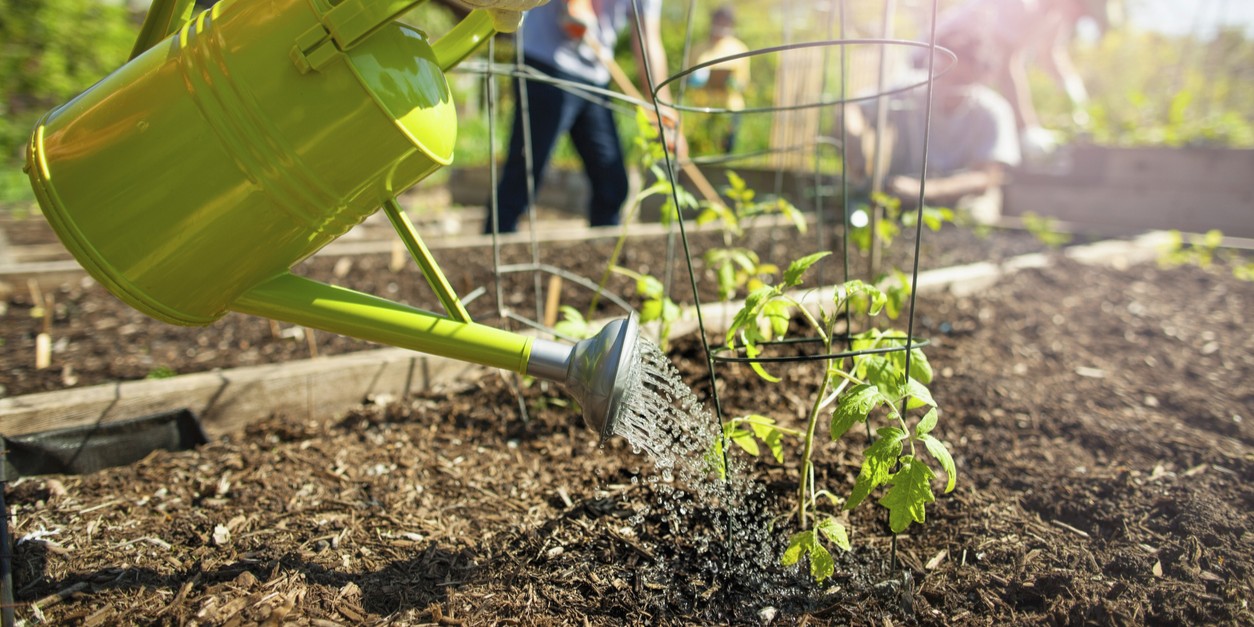
On the allotment, August is a time of peak harvest, although I have spent more time with a watering can coaxing seedlings into life. Lettuce and Spinach are growing well in the shade of tall Sweetcorn. Runner Bean flowers have not set well in the heat, although white-flowered varieties are better, while Dwarf French Beans have produced an excellent crop. Growing more flowering plants for pollinating insects, such as Zinnias and single Dahlias, has resulted in an increase in butterfly species this year – a positive sign.
Some plants have enjoyed the conditions, especially Agapanthus, which stored moisture in their roots last winter and have produced a profusion of flowers. Roses have also coped well, with less black spot when planted in good soil and given plenty of organic feed. Keep deadheading and give a liquid feed for a further display of flowers. Other plants suited to hot summer weather include Lavenders, Abelias, Crocosmias, Salvias, Verbena Bonariensis, Erigeron Karvinskianus, Cistus, ornamental grasses, Olives, Bay, Sage, Thyme and Marjoram.
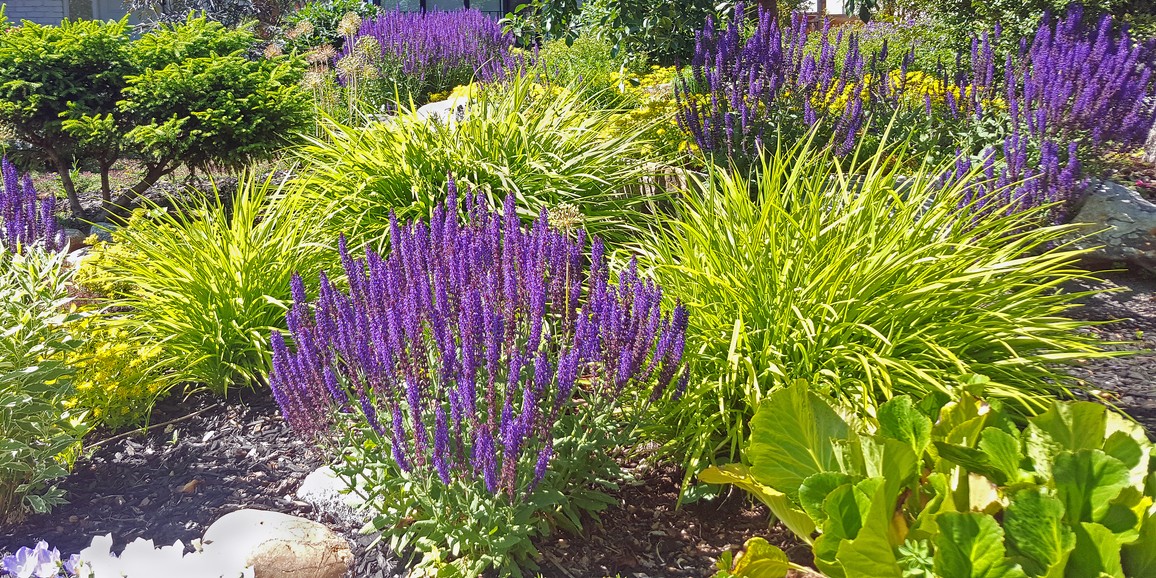
With tubs, containers and hanging baskets, regular deadheading, watering and feeding will keep flowers going throughout August. Replace any plants that have struggled with colourful herbaceous plants such as Kniphofias, Rudbeckias, Salvias, Echinaceas, Phlox and Penstemons. In autumn, replant containers for winter interest and spring bulbs, then plant these perennials into beds and borders to fill any gaps.
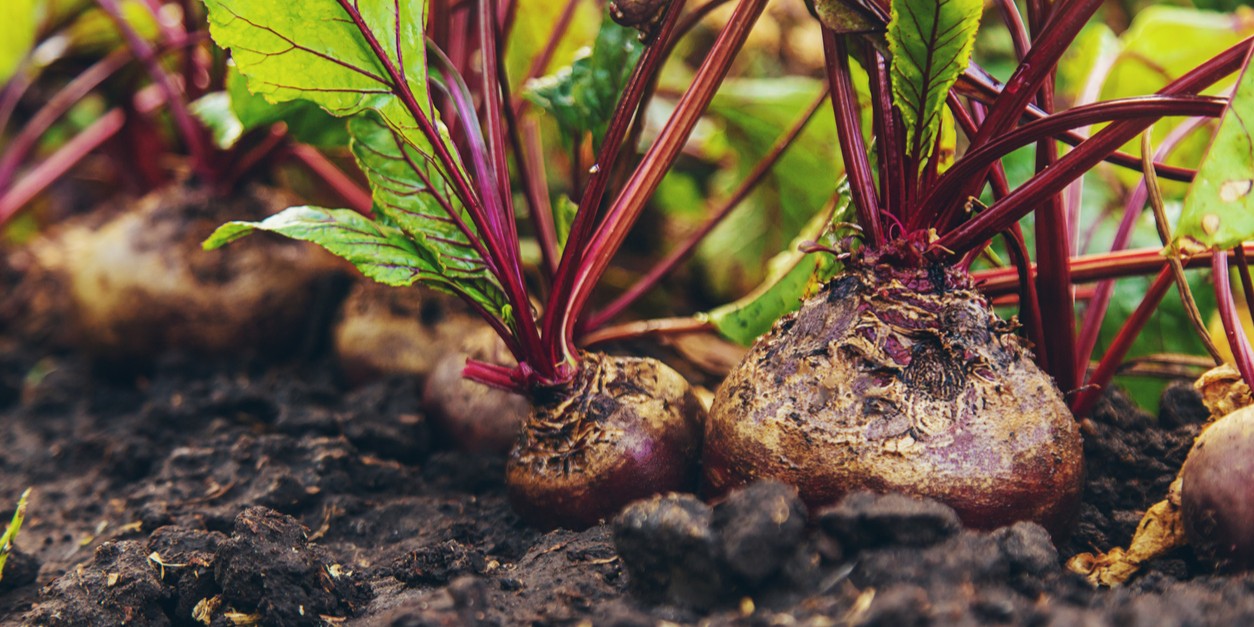
On the vegetable patch, harvest Beetroot, Lettuce and Sweetcorn – it tastes best straight from the garden. French Beans, Runner Beans and Courgettes will continue to crop the more you pick. Water thoroughly around the roots weekly, rather than giving a daily trickle, and mulch with compost, soil improver or Strulch to retain moisture.
For Tomatoes, keep up weekly feeding and remove lower leaves as trusses develop to improve ventilation and allow light to reach the fruit. Water around the roots and keep foliage dry to help prevent blight. With outdoor Tomatoes, remove the growing tip so energy is diverted into the fruit below.
Feed Camellias, Rhododendrons and Azaleas with an ericaceous feed and keep them well watered, as they are now initiating flower buds for next spring. Enjoy the colours and beauty of summer plants and the evening light across the garden.