November Notes from the Potting Shed
with Gardening Expert Chris Milborne
Gardeners embrace the changing seasons, days becoming visibly shorter and colder, damp conditions prevail, but this autumn above-average temperatures have brought some magnificent, glorious days. Low sun between dark clouds produced wonderful light on late-flowering perennials and seed heads on grasses, an autumn spectacular, with wonderful fiery colours of leaves on trees and shrubs, although this can be fleeting as winds and rain result in leaves cascading down.
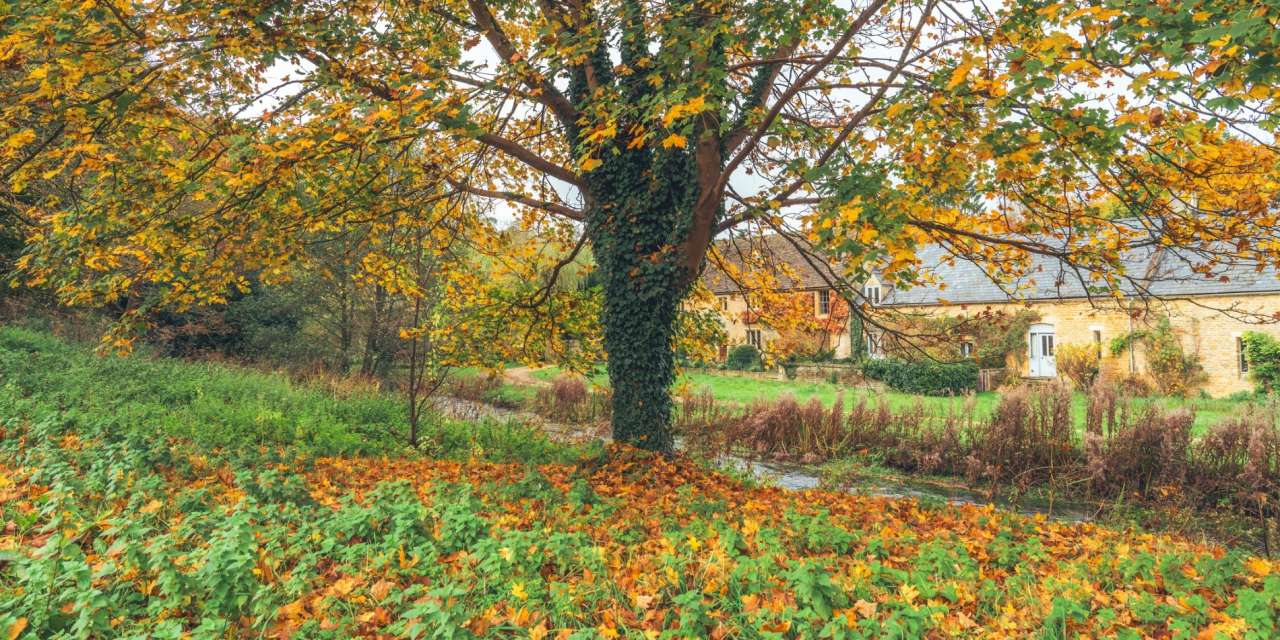
The sweet smell of rain on fallen leaves ready to decay feeds the soil and feeds the plants and trees, part of the cycle of life in garden and woodland. Healthy soils produce strong plants, better root growth, able to cope with weather and better disease prevention.
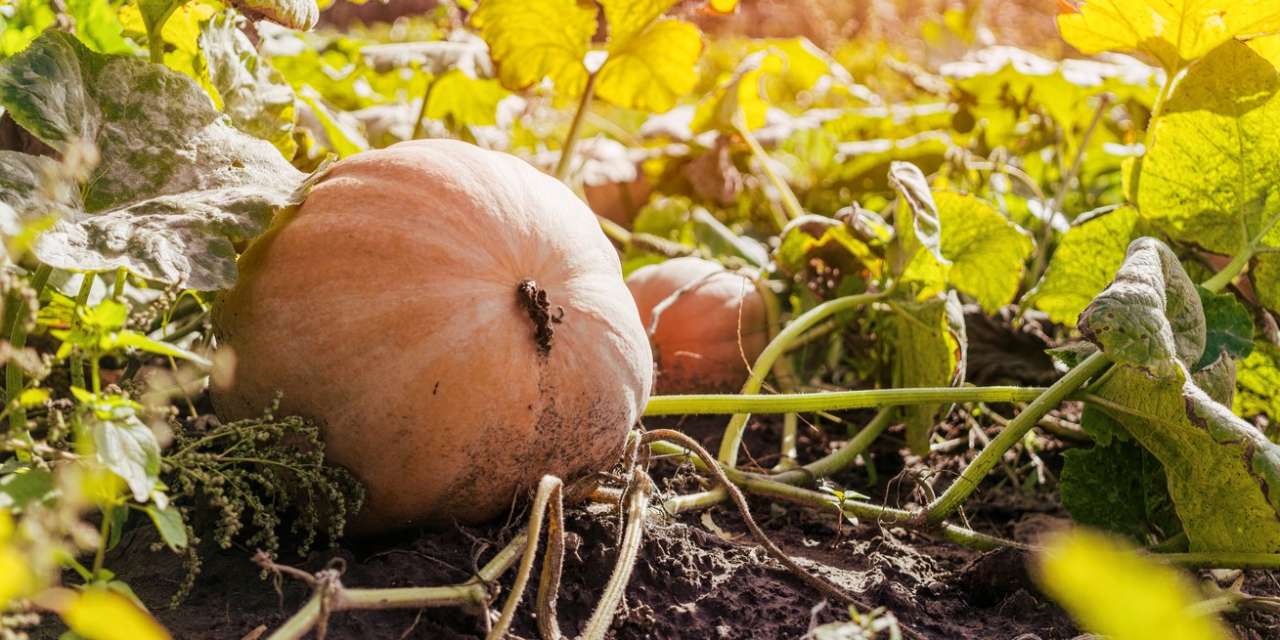
Late-flowering plants have looked superb, with the displays and plants coping better than the difficult summer conditions, and lawns recovered where reseeded, now showing new green shoots. On the allotment, able to harvest the last of the potatoes, smaller than normal but tasty, with carrots, beetroot and winter squashes stored for winter use. Apples, especially those grown as step overs, produced an abundant crop this year, easy to grow and prune and, being low growing, seem less prone to late air frosts. The soil now readily workable for forking over and incorporating plenty of organic matter, especially where growing hungry plants such as beans, courgettes and squashes.
Now is the time for winter-coloured stems, winter-flowering shrubs, some highly scented, textured bark and evergreens, many with interesting leaf shapes, leaves green or variegated. When planting these, achieve a contrast: put a green plant next to a yellow-leaved or variegated plant, which makes the green stand out better; put two variegated plants together and you lose that contrast.
Plant conifers, which should be more popular, as they make an excellent specimen tree, or dwarf forms make brilliant structural, striking shaped plants, with foliage dark greens, blue or golden yellows. Plant together with heathers, dwarf evergreen grasses, hellebores and the bright red stems of Cornus, which look stunning in winter sun.
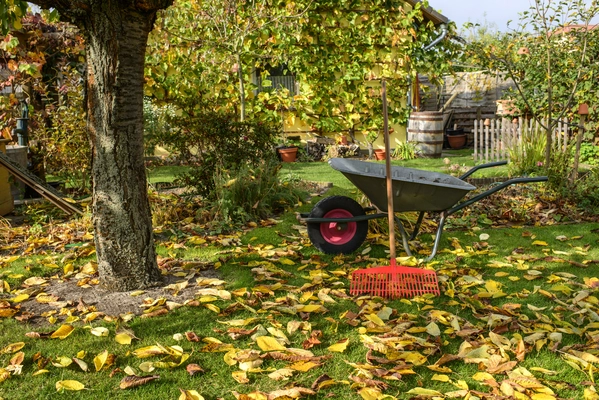
As herbaceous plants start to gently fade and die back, leave any seed heads, which provide winter food for birds, and hollow stems provide shelter for overwintering insects. The old stems also provide insulation and protect next year’s new growth lying just below the soil surface. Fallen leaves covering beds and borders I leave to break down naturally, although I do remove wet, soggy leaves from plants requiring dry conditions, such as Sedums and alpines. Leaves on lawns and paths can be raked up and bagged to make leaf mould, or brushed under the base of the hedge.
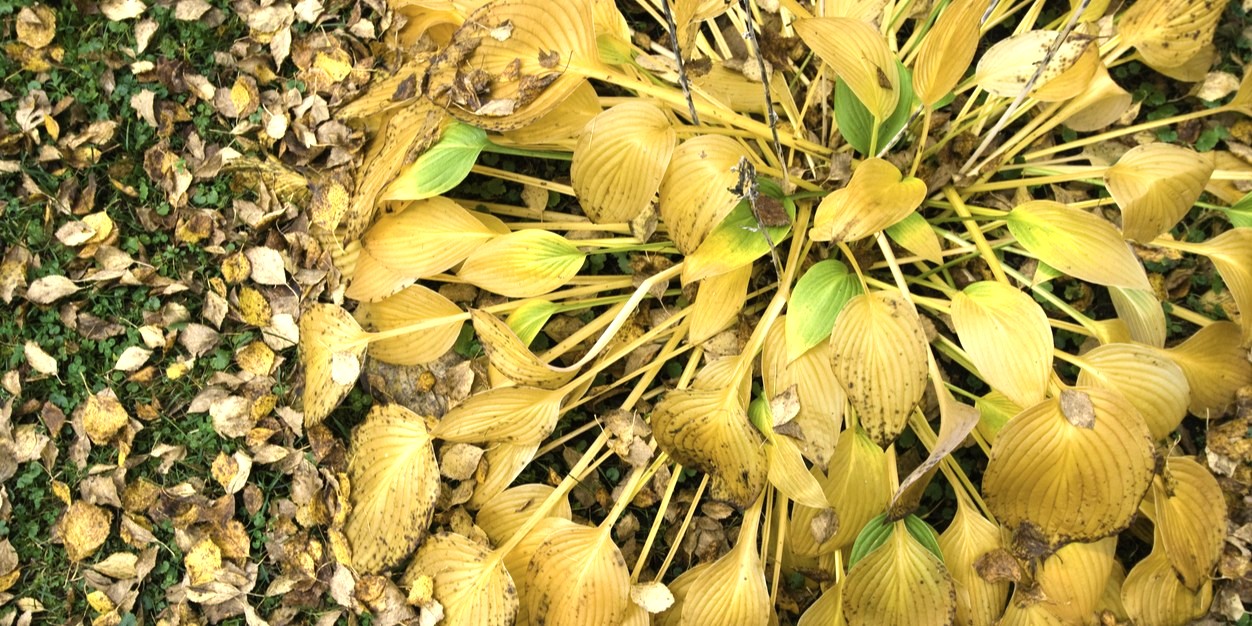
With workable soil, split old perennials for a new lease of life. Clump-forming plants or fibrous-rooted perennials that have been in the ground for over five years produce new, vigorous growth. Fleshy-rooted plants like Hostas I divide in spring when new growth emerges. Any spare gaps plant up with spring-flowering bulbs and check any supports for damage before the worst of the winds arrive.
November is the traditional month for planting Tulips, providing glorious spring colours, large and showy and available in a wide range of colours. Tulips provide about three to four weeks of flower, so select early, mid-season and late-flowering varieties for continuous colour from March to May.
Dahlias have given a fantastic, glorious show of colour all summer, but now is the time to lift Dahlia tubers, especially in heavy damp soil, which can cause them to rot. Cut back the stems, lift and clean the tubers, leave to dry for a couple of hours, then store in boxes in a frost-free environment.
Enjoy the changing seasons, the way gardens change, the winter sun on plants, all something to enjoy.