January Notes from the Potting Shed
With Gardening Expert Chris Milborne
A new year in the garden, and one of the joys of gardening is appreciating the changing seasons: the bare stems and evergreen plants of winter, the early colour of primroses and spring bulbs, new lush spring growth, summer flowers followed by late-summer showstoppers and grasses, then autumn colours and seed heads. Gardens are forever changing and evolving.
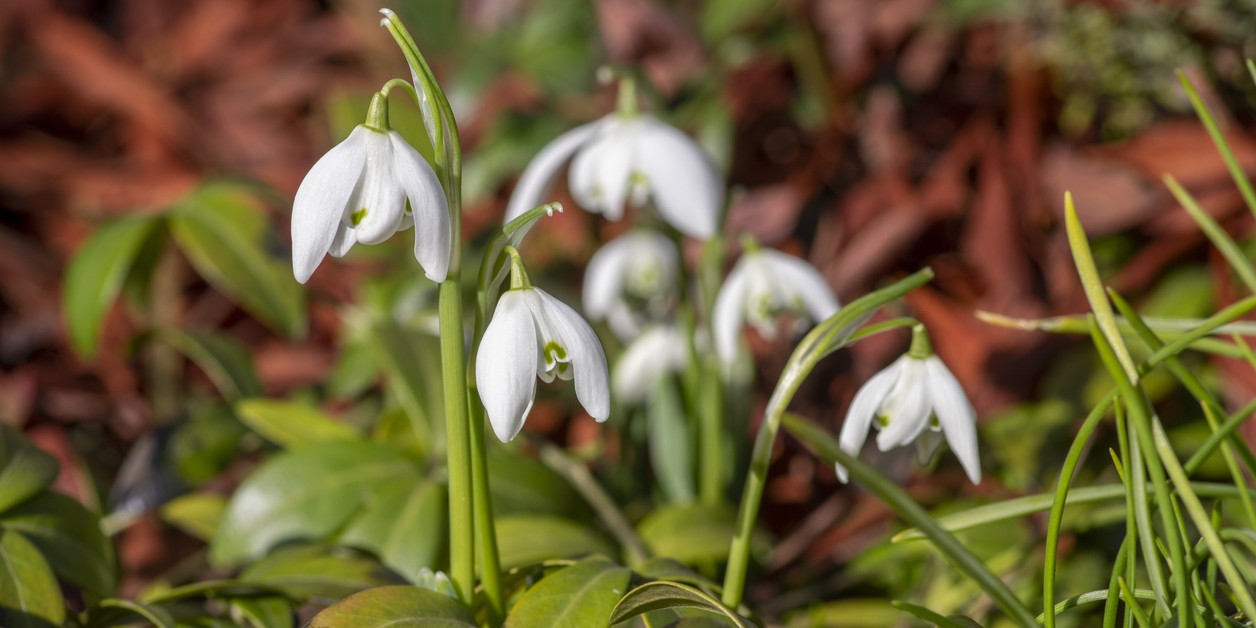
This winter so far has been mainly wet, cloudy, and mild, with only a few cold spells. January weather can be challenging, and the end of the month can be the coldest of the winter, but beneath the decaying leaves the green shoots of early spring bulbs are pushing through the leaf litter. In sheltered corners, clusters of tiny snowdrops with their white flowers bloom, the garden starts to waken and, slowly but surely, the days start to get longer, all giving hope for wonderful spring displays to come.
Now is the perfect time to plan and prepare, even dream about the garden for the year ahead. Gardens are very personal, with favourite colours, styles, and designs. My garden in summer has a natural look, perhaps slightly untidy, with plants intermingling and some self-seeding. I use plenty of foliage colour and blend flower colours, but even this I will change by adding more height, more flowering bulbs, and more long-lived perennials with natural shapes, leaf textures, and colours that evolve and change with the seasons, while also being pollinator-friendly and flowering over a long period.
When planning, consider what you want to use the garden for, whether for the family, entertaining, growing your own, low maintenance, or year-round interest. Creating a mixed border with shrubs, roses, a few evergreens, plus various herbaceous perennials and spring and summer bulbs works well, and I have found many flowering bulbs, with their underground corms and bulbs, seem to cope with all weather conditions. Easy-to-look-after shrubs include Ribes, Forsythias, Spiraeas, Philadelphus, Potentillas, Hydrangeas, hardy Fuchsias, and Roses, which once established are all easy to maintain with simple pruning and feeding.
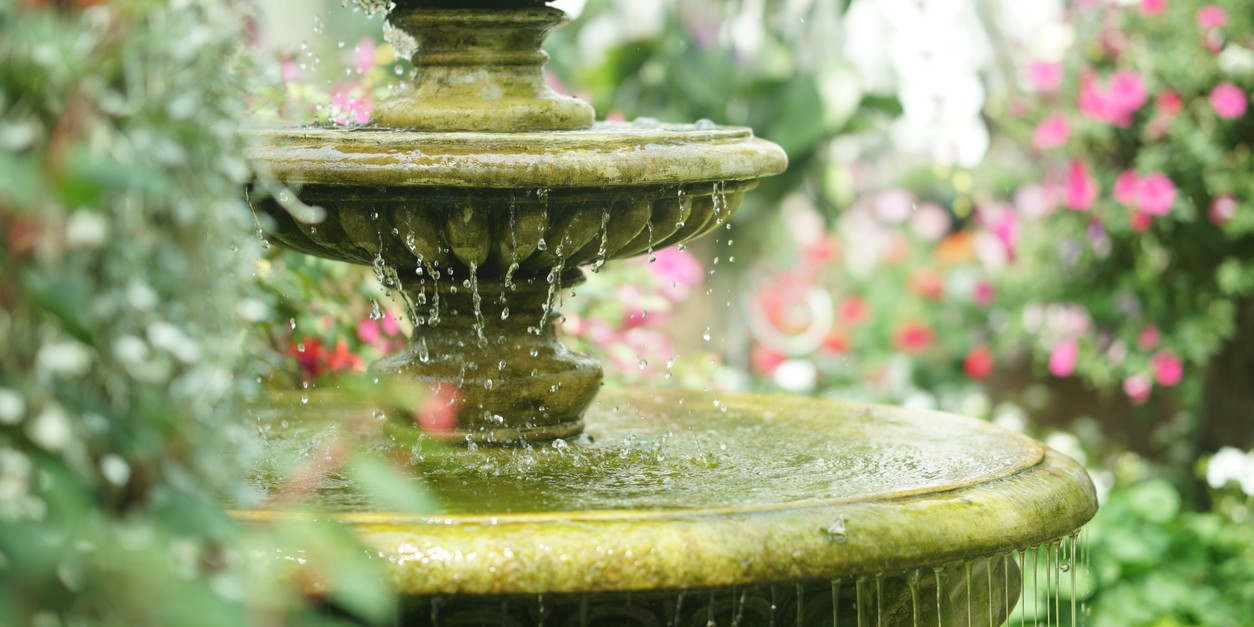
To attract wildlife into the garden - birds, bees, insects, butterflies, and moths - create a small pond or water feature and plant flowering shrubs such as Buddleias and lavenders, along with single-flowered herbaceous perennials so bees and butterflies can reach the pollen and nectar. Hardy annuals are easy to grow from seed, and herbs are also a great addition, including shrubby Rosemary, Thyme, Marjoram, Oregano, Chives, Parsley, and Sage.
When planning new beds and borders, take into account sunny and shady areas and, importantly, soil type, looking at plants that thrive in the local area. Even a small patio with tubs and containers filled with bulbs, summer-flowering perennials, and bedding plants, changed as they go over, can give interest over many months.
Grow Your Own
Seed potatoes, onions, shallots, and garlic are all available in late January in time for planting in the spring. On the allotment I have started planning the vegetable growing area, with seed packets sorted into groups showing when to sow and whether they are sown directly in the soil or started off in the greenhouse or cold frame. When conditions allow, remove any perennial weeds and incorporate compost into the soil, and for early sowing cover soil with fleece or cloches to warm it slightly.
Fruit bushes such as gooseberries, black currants, and white and red currants are finished pruning this month. Apples and pears receive a winter prune, although trees trained as cordons, step-overs, and fan-trained are pruned in July or August for better shape and growth. When pruning now, as a guide I remove any crossing, dead, diseased, or broken branches, then shorten the previous year’s growth, aiming for an open wine-glass shape to allow good light and air circulation through the branches. If the ground isn’t frozen or too wet, mulching around trees and shrubs with garden compost, soil improver, or manure helps plants get off to a good start in spring by feeding the soil and maintaining moisture around the roots.

On roses this year, because of mild conditions, some leaves remain on plants. Those with black spot, rust, and mildew I have been manually removing so they do not infect new growth in spring, and I also rake up any fallen leaves beneath the plants.
Indoor Gardening
On cold, wet days I enjoy spending time looking after houseplants, some with tropical flowers such as orchids and anthuriums, originating from rainforests and producing brightly coloured waxy flowers and glossy leaves. Some plants have lush tropical foliage, some with upright growth and others trailing, with many differing leaf shapes and colours. Many houseplants also have health benefits, helping to clean impurities from the air, absorbing carbon dioxide and giving off oxygen, with the Peace lily being particularly good for this.
At this time of year, I move plants around, clean the leaves, and check for any pests or disease. Other easy-to-grow houseplants include cacti and succulents, palms, Dracaenas, Yucca, philodendrons, ferns, and Ficus robusta, the good old rubber plant. There is a houseplant for any room in the house, depending on conditions such as light, heat, and humidity.
As we prepare for the year ahead, in late January summer bulbs arrive - Dahlias, Lilies, Gladioli, and Begonias - all with their bright flowers to look forward to in the summer. Dreaming of the gardening year ahead, but still enjoying the winter garden.