March Notes from the Potting Shed
With Gardening Expert Chris Milborne
March gardening tips. March is the start of spring. The garden begins to waken, with increasing birdsong, the buzz of early bumblebees on crocus, hellebore and pulmonaria, and the green of fattening leaf buds on trees. Magnolia buds swell, furry and full, ready to open.
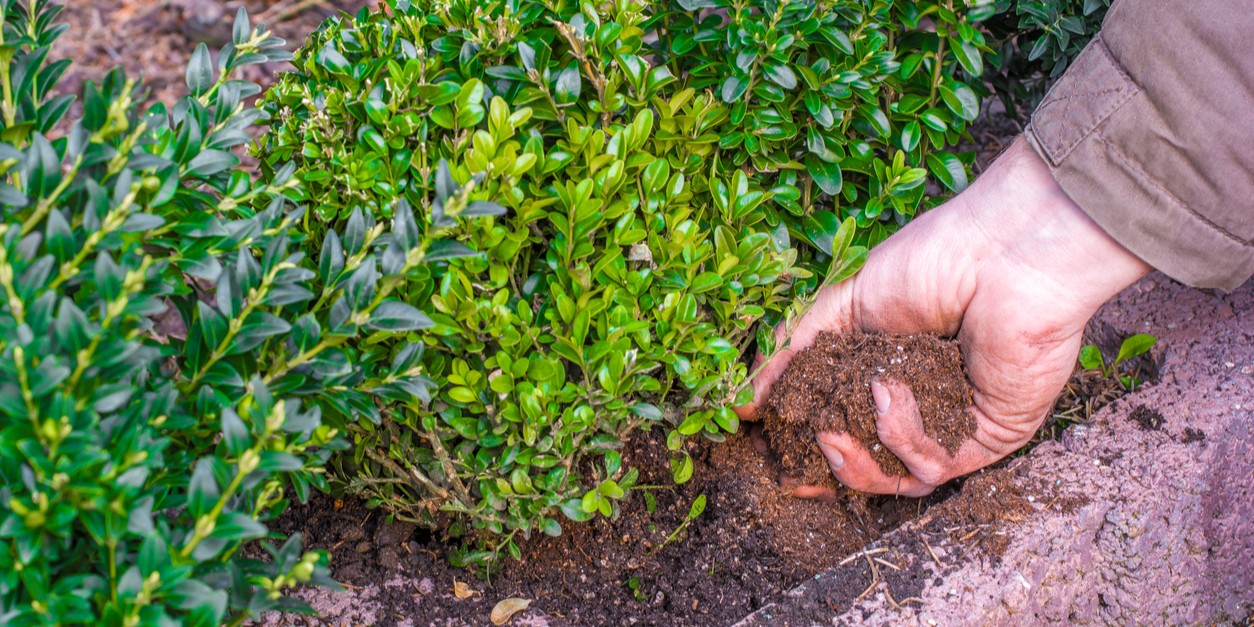
The days are getting longer, weeds are starting to grow - a sign the soil is warming - and it is time to begin sowing, planting and growing. Winter has been extremely wet and mild, with less sunshine, and many soil cultivation jobs normally done in February remain unfinished. The heavy rain has leached nutrients and organic matter from the soil, making compost mulch especially important this year. Compost will improve soil structure and reduce compaction caused by winter rains. Give plants a feed with a balanced fertiliser.
“Patience is a virtue” is very true in gardening. With improving weather, the soil will soon become workable and delayed jobs can be tackled. Mild conditions have encouraged early growth: crocus and clumps of daffodils glow in borders and tubs, primroses and primulas look stunning, and fresh green shoots of herbaceous perennials are pushing through. Towards the end of the month, apple blossom begins to open. After a spell of sunshine, you will notice something new happening in the garden each day. However, March can still be wet and windy, with frosts delaying spring. On such days, spend time in the greenhouse sowing seeds, potting up dahlia tubers and summer bulbs, and potting on overwintered geraniums and fuchsias.
After winter’s winds and rain, repair damaged trellis and check plant supports. Consider planting a hedge as a boundary - hedging reduces wind speed and noise. Mixed hedging such as hornbeam, hawthorn, climbing or rambling roses, honeysuckle and clematis provides varied foliage, flowers, fruit and scent, supporting wildlife and improving air quality.
If conditions allow, prepare seed beds, sow seeds, cut back winter-flowering shrubs and prune cornus stems, buddleias and ornamental elders. Prune faded hydrangea to the bud below the old flowers. Though attractive over winter when frosted, the dried lacey heads also protect buds beneath and shelter overwintering ladybirds.
Tidy borders and clear old stems from herbaceous perennials. Lift and divide plants that have been in the same position for four or five years to restore vigour, then feed and mulch.
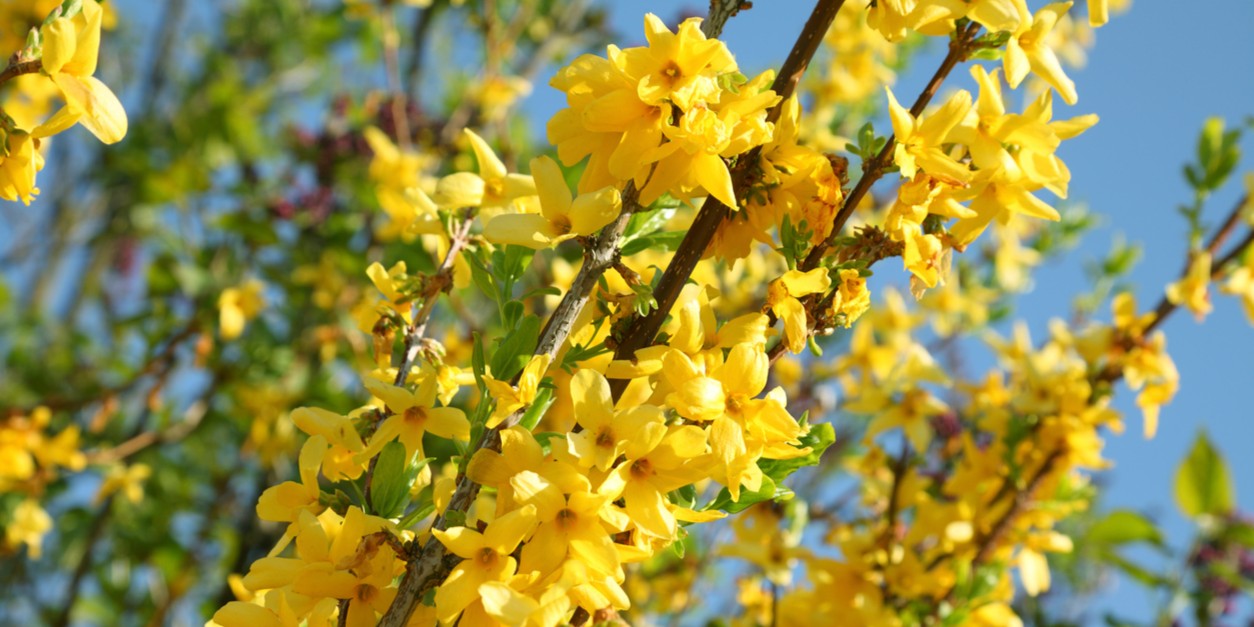
Early spring colour comes from forsythia’s bright yellow flowers, camellias with glossy evergreen leaves and blooms in shades of pink, red and white, and chaenomeles with apple-blossom-like flowers. Magnolias make superb specimen plants, flowering beautifully on bare stems. Other favourites include amelanchier, daphne, ribes and viburnum.
Spring bedding plants such as wallflowers, pansies, violas, primulas and polyanthus offer a wide range of colour. Pot-grown daffodils, crocus and early tulips provide instant impact in containers and borders.
March and April are ideal for planting summer-flowering bulbs such as dahlias, gladioli and lilies. Dahlias offer remarkable diversity in shape, size and colour from July to October, with single varieties particularly attractive to bees. Start tubers in pots in the greenhouse before planting out in mid-May for earlier, stronger plants less prone to slug damage. Pot up plug plants in a bright, frost-free greenhouse or cold frame ready for colourful summer containers. Begin begonia tubers on a warm windowsill, concave side up, potting on once shoots appear.
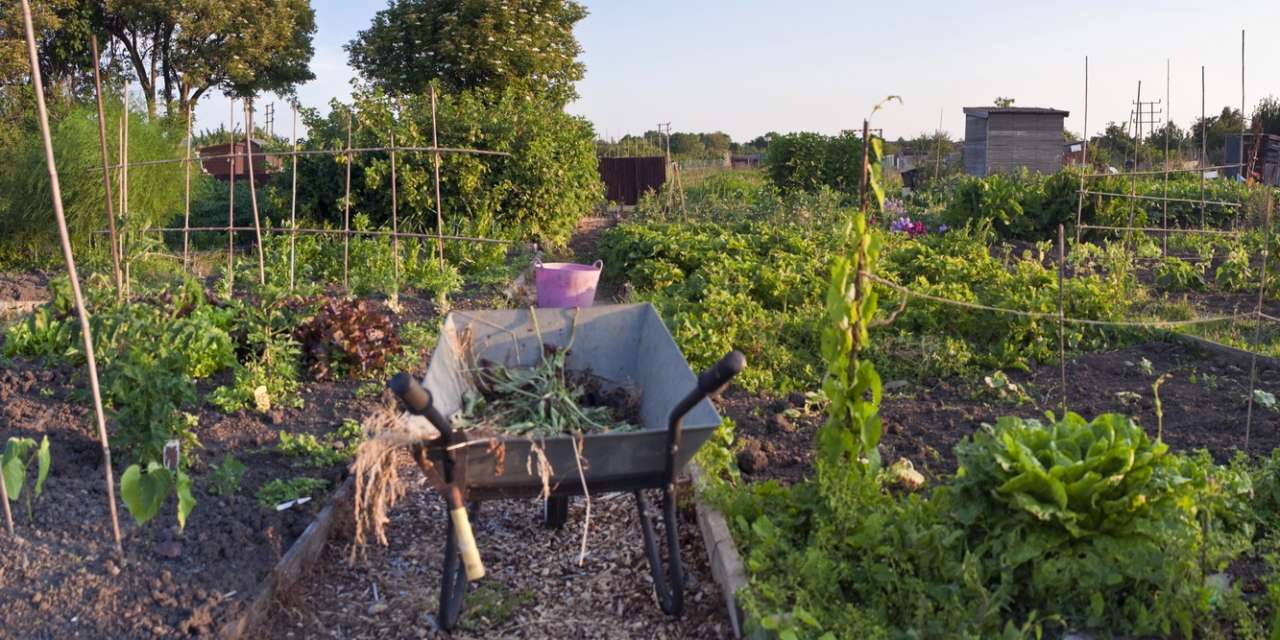
On the allotment, raised beds help prevent winter waterlogging, improve drainage and allow soil to warm earlier. Plan sowing carefully, considering succession sowing and catch crops to maximise space. Start onions, shallots and garlic in modules. When soil can be raked to a fine tilth, sow rocket, radishes, leeks, broad beans, parsnips, spinach and peas. Grow lettuce under cover before planting out.
Plant rhubarb and pot-grown fruits such as blackcurrants, gooseberries and blueberries. Set out strawberries and protect from frost with horticultural fleece.
On wet days, revive houseplants by repotting if needed, removing old foliage and flowers, cleaning leaves, increasing watering and starting regular feeding.
In March, embrace the garden, celebrate Mother’s Day and look forward to longer evenings as the clocks spring forward.